
{English below}
Of: wat er gebeurt als je op een random donderdag een paracetamol neemt en dan vier maanden later nog steeds met hoofdpijn wakker wordt.
Er is eigenlijk geen elegante manier om dit verhaal te beginnen. De titel zegt het eigenlijk al: ik heb al 100 dagen hoofdpijn. Geen metaforische of vage hoofdpijn, maar gewoon, letterlijk, elke dag, sinds 12 december 2024. Ik nam toen een paracetamol voor wat een doodnormale hoofdpijn leek. Sindsdien is het simpelweg gebleven.
Voor de mensen die me een beetje kennen: de hoofdpijn was zo heftig dat ik sindsdien niet meer naar de sportschool ben geweest. En dat zegt op zich al genoeg.
Het is lastig uit te leggen hoe dat voelt. Het is geen subtiel zeurtje op de achtergrond, maar een hete, stekende, trekkende pijn die zich een weg baant door mijn gezicht en schedel. En toch blijf ik elke ochtend denken: ‘misschien is het vandaag weg’. Tot nu toe is dat nog niet gebeurd.
De huisarts, de neuroloog en de 200 dagen wachttijd
In het begin dacht ik nog: dit gaat vanzelf weer over. Maar na twee weken werd het tijd voor actie. De huisarts vermoedde stress, maar ik voelde me juist vrij rustig. Na wat aandringen kreeg ik een verwijzing naar een neuroloog. Probleem: de wachttijd was meer dan 200 dagen. Gelukkig wist mijn moeder een kliniek te vinden waar ik sneller terechtkon.
In diezelfde periode reisde ik naar Londen voor een cursus bij de GIA. Mijn moeder dacht dat een bril misschien zou helpen, dus haalden we bij Eyewish binnen een dag een bril met een lichte sterkte. Spoiler: dat hielp niet. Ik zat alsnog met knallende hoofdpijn in een klaslokaal vol edelstenen.
Onderzoeken, scans en… niks
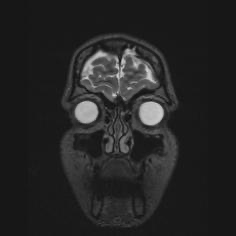
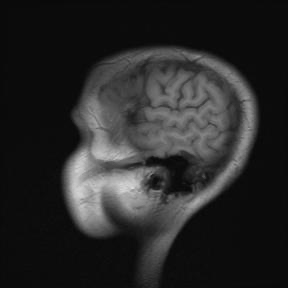
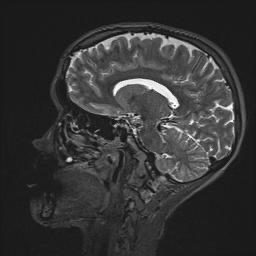
De neuroloog zag geen reden tot paniek, maar stuurde me wel door voor een MRI om iets structureels uit te sluiten. De MRI vond plaats op mijn verjaardag (feestje!) en liet gelukkig niets geks zien.

Ik koos voor optie drie: verder zoeken.
Ondertussen slikte ik geen pijnstillers meer, zodat niemand zou kunnen zeggen dat het een rebound hoofdpijn was. Toen bleek dat dat het dus niet was, mocht ik weer pijnstilling nemen. Dat probeerde ik braaf, maar het hielp voor geen meter en leverde me in plaats daarvan vreselijke buikkrampen op. No thank you. Ook die optie kon dus weer van tafel.
Daarna kreeg ik medicatie voorgeschreven waar ik me niet prettig bij voelde. Een alternatief? “Nee, dit is het.” En dus: of ik slikte het, of ik bleef zoals ik was. Ik koos voor optie drie: verder zoeken.
Plan B, C en D
Ik ging regelmatig naar mijn fysiotherapeut, die dacht dat het uit mijn nek en rug kwam. Zij raadde botox aan. Niet voor de rimpels (jammer), maar voor de spieren. Uiteindelijk kreeg ik een doorverwijzing naar een hoofdpijnkliniek. Deze neuroloog keek wél verder en merkte meteen mijn hypermobiliteit op. Hij vermoedde dat het probleem in mijn kaakspieren zat, en dat migrainebotox weinig zou uithalen. Dus: op naar een craniofasciale fysiotherapeut.
Ondertussen probeerde ik van alles: osteopathie (veel gekraak, weinig effect), acupunctuur (geen klik met de kliniek), en speciale FL-41 brillenglazen tegen lichtgevoeligheid (bril #2 was onderweg).
Alle kleine beetjes
De craniofasciale fysio dacht na een paar sessies al iets te kunnen betekenen. Hij zag spanning in mijn kaak en kon de pijnpunten daaraan koppelen. Door massage, manipulatie en wat creatief kaakwerk leek de ergste piek soms even te verdwijnen.
Omdat ik inmiddels het woord kaak vaker hoorde dan mijn eigen naam, besloot ik het zelf te proberen: botox tegen klemmen. Niet tegen migraine, maar puur voor de kaakspieren. Ik boekte een afspraak bij Kliniek Frodo in Amsterdam, werd uitgebreid geadviseerd, en liep even later naar buiten, 350 euro lichter. Nu is het afwachten. Het duurt meestal een dag of achttien voordat je weet of het iets doet.
Ik kocht ook een gezichtsmassageapparaat, omdat massage leek te helpen. Misschien placebo, misschien niet, maar het voelt prettig en leidt af van de pijn. En soms is dat meer dan genoeg.
En toen was er ook nog school
Terwijl dit allemaal speelde, liep mijn studie gewoon door. Waar ik eigenlijk één vak zou volgen, koos ik er (vraag me niet waarom) voor om er drie te doen. Plus twee tutorials. Niet per se slim met constante hoofdpijn, maar ik vond de onderwerpen echt té interessant om te laten schieten. En ik heb het gered, en het was nog een soort van leuk ook. Geen idee hoe ik het deed, maar ik heb het gedaan.
Door de hoofdpijn moest ik wel de excursie naar Italië missen, wat natuurlijk ontzettend jammer was. Maar zelfs dat bleek uiteindelijk iets goeds op te leveren: in plaats daarvan gaf ik een presentatie in het Rijksmuseum, wat uiteindelijk een hele leuke en waardevolle ervaring werd. Voor alles is blijkbaar toch een oplossing.
Wat ik geleerd heb? Dat ik meer kan dan ik denk. Dat je verrassend ver komt op doorzettingsvermogen en koppigheid. En dat ik geen gezelliger persoon word van continue pijn, maar dat vergeef ik mezelf voorlopig maar even.
Hoop en verder
Een medisch mysterie zijn is niet bepaald goedkoop. Ik ben super dankbaar dat ik het me op dit moment kan veroorloven om dingen te proberen, ook al weet je nooit of het gaat helpen. Elke stap voelt als een klein beetje hoop.
En nog steeds, elke ochtend, denk ik weer: misschien is dit de dag dat het weg is. Misschien ben ik toch meer een glas-half-vol-type dan ik dacht.
Lieve groetjes,
Izzy
100 Days of Headache
Or: what happens when you take a random paracetamol on a Thursday and then wake up with a headache every day for the next four months.
There’s really no elegant way to start this story. The title says it all: I’ve had a headache for 100 days. Not metaphorically. Not vaguely. Just… literally. Every single day, since December 12th, 2024. I took a paracetamol for what felt like a perfectly normal headache. And then it simply never left.
For those who know me a little: the headache was so intense that I haven’t been to the gym since it started. And that kind of says it all.
It’s hard to describe what it feels like. It’s not some mild background hum, but a hot, stabbing, pulling kind of pain that works its way through my face and skull. And yet, every morning I still wake up thinking, maybe today is the day it’s gone. So far? Not quite.
The GP, the neurologist, and the 200-day waitlist
In the beginning, I thought: this will just pass. But after two weeks, it was clearly time to take action. My GP suspected stress, even though I was feeling surprisingly calm. After a bit of pushing, I got referred to a neurologist. Problem: the waitlist was over 200 days. Luckily, my mom found a clinic that could see me sooner.
At the same time, I went to London for a course at the GIA. My mom thought maybe a pair of glasses would help, so we rushed to Eyewish and picked out a low-prescription pair in a day. Spoiler: that did not help. I still sat there with a pounding head, surrounded by gemstones.
Tests, scans… and nothing
The neurologist wasn’t alarmed but did refer me for an MRI just to rule out anything structural. The scan happened to be on my birthday (yay me) and thankfully showed nothing unusual.
In the meantime, I had stopped taking painkillers so no one could claim this was rebound headache. When that theory was ruled out, I was told I could try painkillers again. I did, dutifully. But they didn’t help at all — and instead, they gave me horrible stomach cramps. No thank you. That option was quickly off the table again.
After that, the neurologist prescribed medication I wasn’t comfortable taking as a first step. I asked for alternatives. “There aren’t any,” she said. So it was either take it or do nothing. I went with option three: keep searching.
Plan B, C, and D
I kept seeing my physiotherapist, who thought the pain might be coming from my neck and back. She suggested Botox — not the fun kind, but for muscle tension. Eventually, I was referred to a headache clinic. This neurologist actually looked deeper and immediately noted my hypermobility. He suspected the problem was in my jaw muscles, and that Botox for migraines wouldn’t help much. So: on to a craniofacial physical therapist.
Meanwhile, I was trying everything I could: osteopathy (lots of cracking, not much change), acupuncture (didn’t vibe with the clinic), and special FL-41 lenses to help with light sensitivity (glasses #2 were on their way).
All the little things
The craniofacial physio thought he could actually make a difference after a few sessions. He found a lot of tension in my jaw and could link the painful spots to that issue. With massage, manipulation, and some creative jaw work, the worst peaks sometimes eased a little.
By then, I’d heard the word “jaw” more than I’d heard my own name, so I decided to take matters into my own hands: I tried Botox for jaw clenching. Not for migraines, just for the facial muscles. I booked a consultation at Kliniek Frodo in Amsterdam, felt really well taken care of, and walked out a short while later €350 lighter. Now I just had to wait — it usually takes about 18 days to see if it works.
I also bought a fancy face massage device because massage seemed to help. Maybe it’s placebo, maybe it’s real, but it feels nice and distracts me from the pain. And sometimes that’s more than enough.
And then there was uni
All this was happening while my studies continued as usual. I was supposed to take one course, but (don’t ask me why) I ended up taking three. Plus two tutorials. Not the brightest idea with constant headaches, but I found the topics way too interesting to skip. And I managed. I actually got through it, and somehow even enjoyed parts of it. No clue how I pulled it off, but I did.
Because of the headache, I had to miss the study trip to Italy, which I was really looking forward to. But even that ended up having a silver lining: instead, I gave a presentation at the Rijksmuseum, which turned out to be a really fun and valuable experience. Apparently, there’s always another way.
What have I learned? That I can handle more than I thought. That stubbornness gets you surprisingly far. And that constant pain doesn’t exactly make me a more pleasant person — but I’m forgiving myself for that, at least for now.
Hope, and continue forward
Being a bit of a medical mystery isn’t exactly cheap. I’m really grateful that, at this moment, I have the means to try out some of these sometimes bizarre, sometimes promising treatments. Every attempt feels like a little glimmer of hope.
And still, every morning, I wake up thinking: maybe today is the day it’s gone. Maybe I’m more of a glass-half-full person than I thought.
Warm wishes,
Izzy

 Studio Vogel
Leave a comment