
English below
Zoals de mensen die mij kennen wel weten, kreeg ik een paar maanden geleden geweldig nieuws. Ik ben toegelaten tot mijn droommaster aan de UvA! De master heet ‘Curating Arts and Cultures’, en ik specialiseer me in de ‘Arts of the Netherlands’. Ik kan niet wachten om eraan te beginnen!
Afgelopen woensdag was de eerste dag van mijn eerste twee vakken. Afgelopen woensdag was ook de dag dat de NS-medewerkers staakten van 04:00 tot minstens 08:00. Voorlopig woon ik nog thuis. Ik ben een goedkope Nederlandse student en wil mijn ziel niet verkopen om een kamer in Amsterdam te bemachtigen. Maar thuis wonen betekent ook dat ik anderhalf tot twee uur moet pendelen naar Amsterdam.
Mijn eerste college begon met een excursie naar het Stedelijk Museum om 09:50.
Dat betekende dat het onmogelijk was om op tijd in Amsterdam te zijn als ik thuis bleef. Op het laatste moment besloot ik een bed in een hostel te boeken! Dit pakte uiteindelijk prachtig uit. Ik had een voucher via Booking.com, kreeg door puur geluk een lege kamer, en ik kwam op tijd aan voor de excursie!
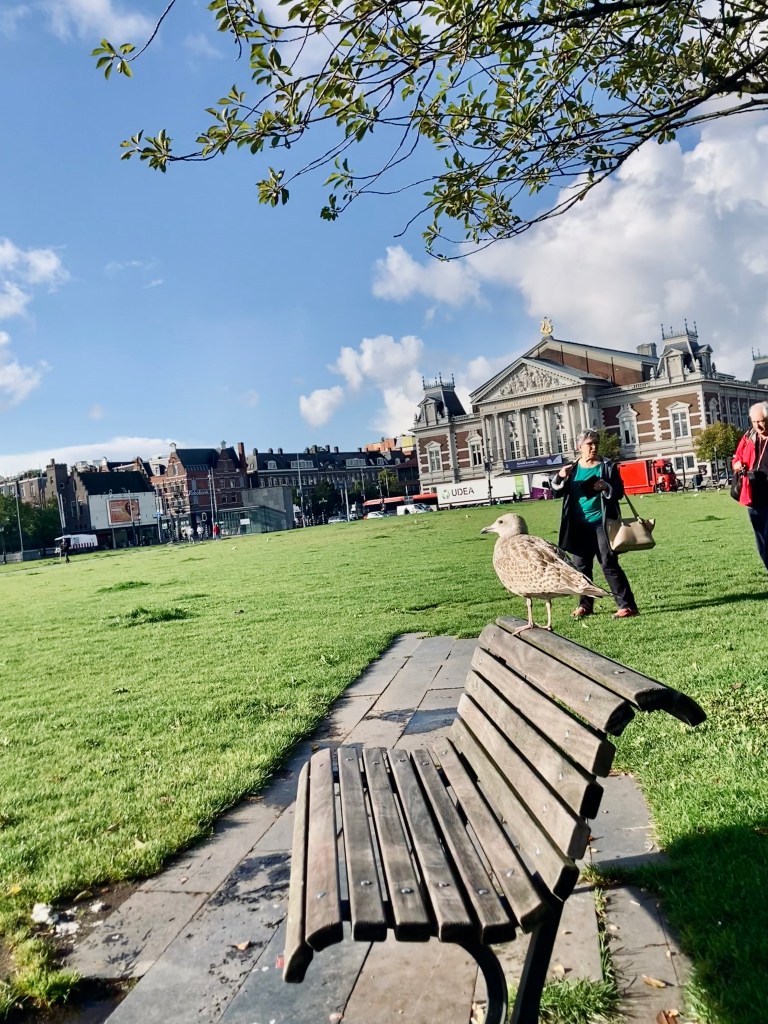
Het Stedelijk Museum
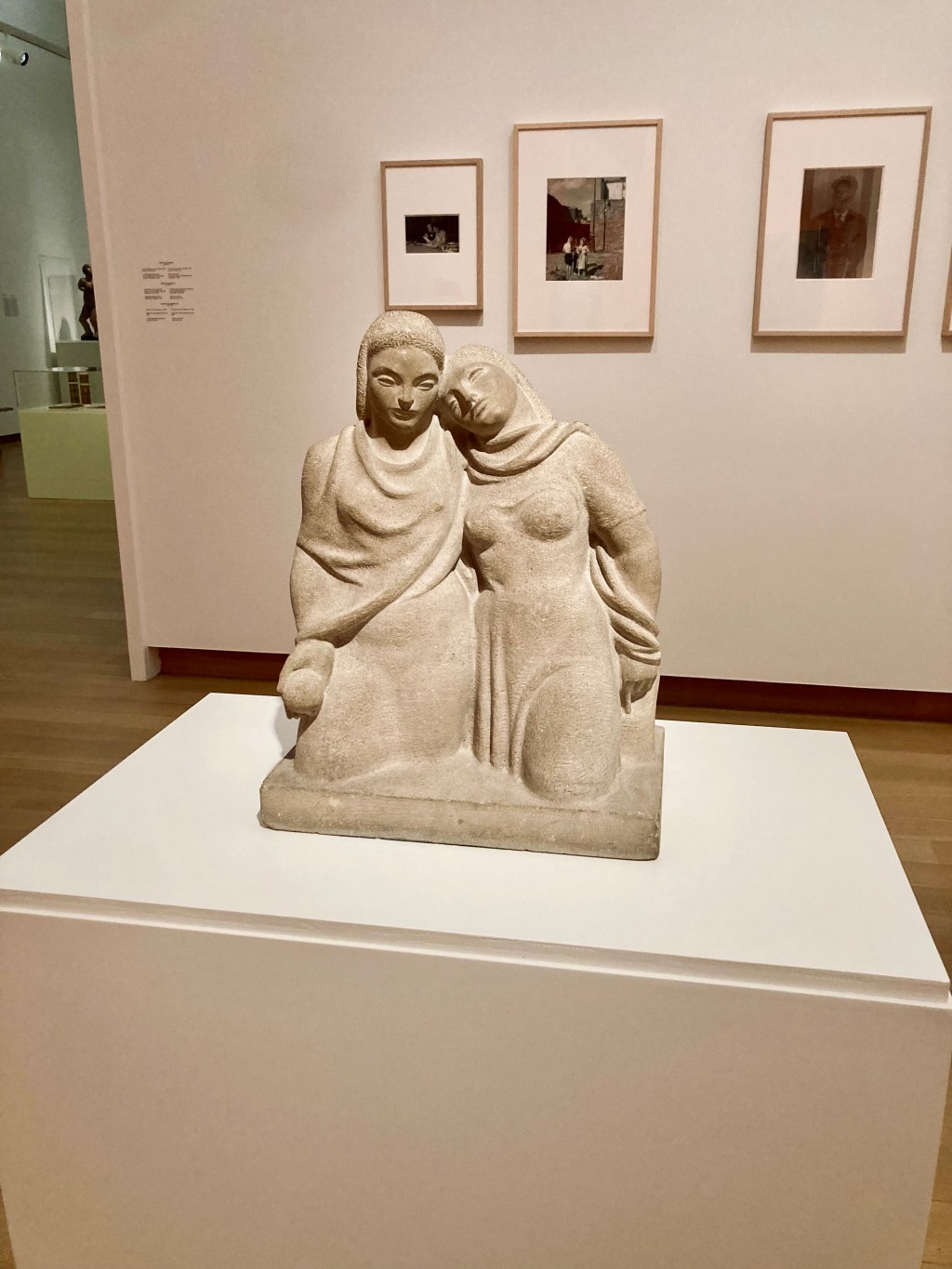
We bezochten het museum om een van de collecties te bekijken en deze kritisch te analyseren. Ik koos ervoor om de collectie ‘tot 1950’ te analyseren. De focus van deze collectie was iets te modern naar mijn smaak, maar ik heb alsnog genoten van een aantal objecten en kunstwerken die ik zag.
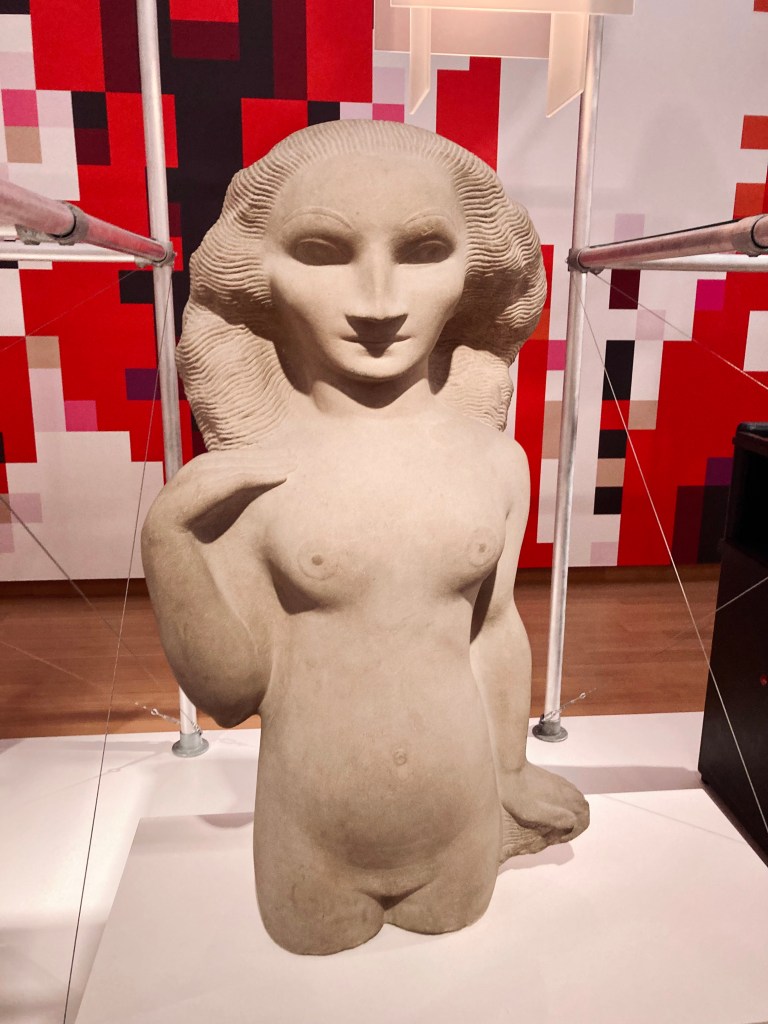
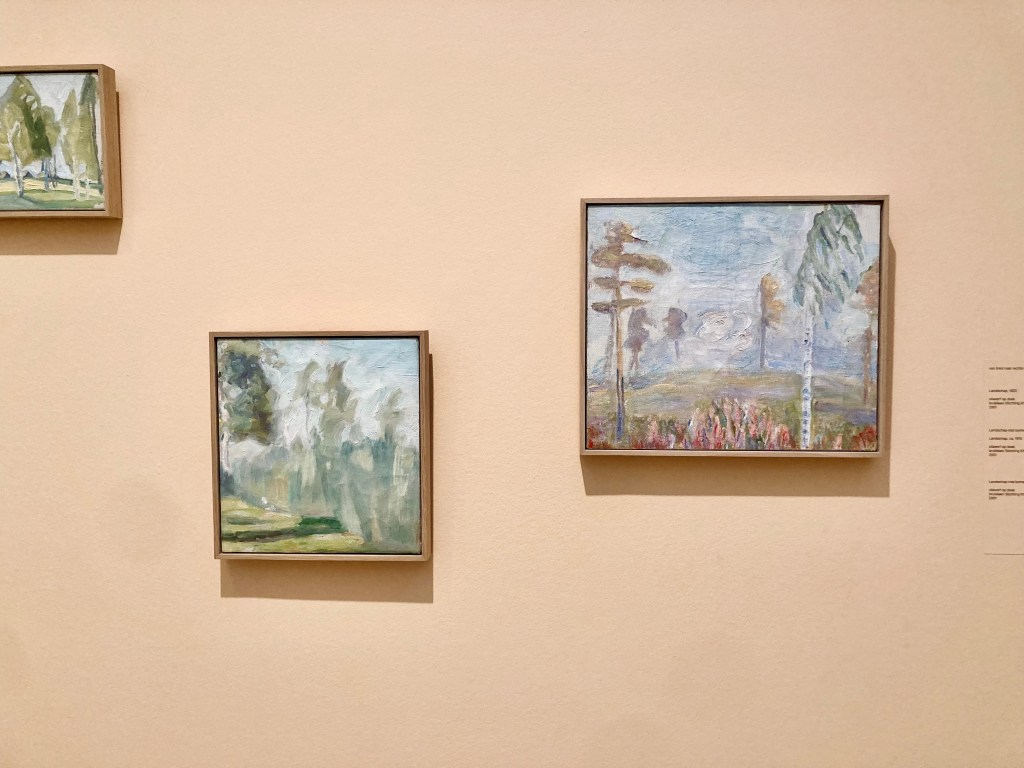
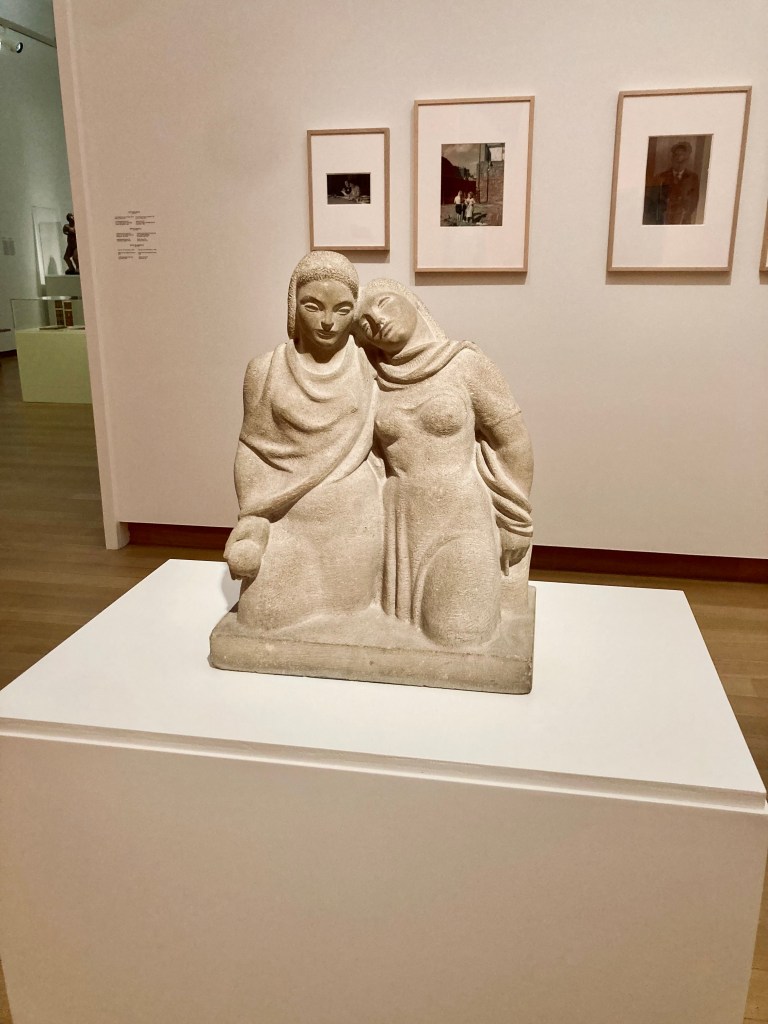
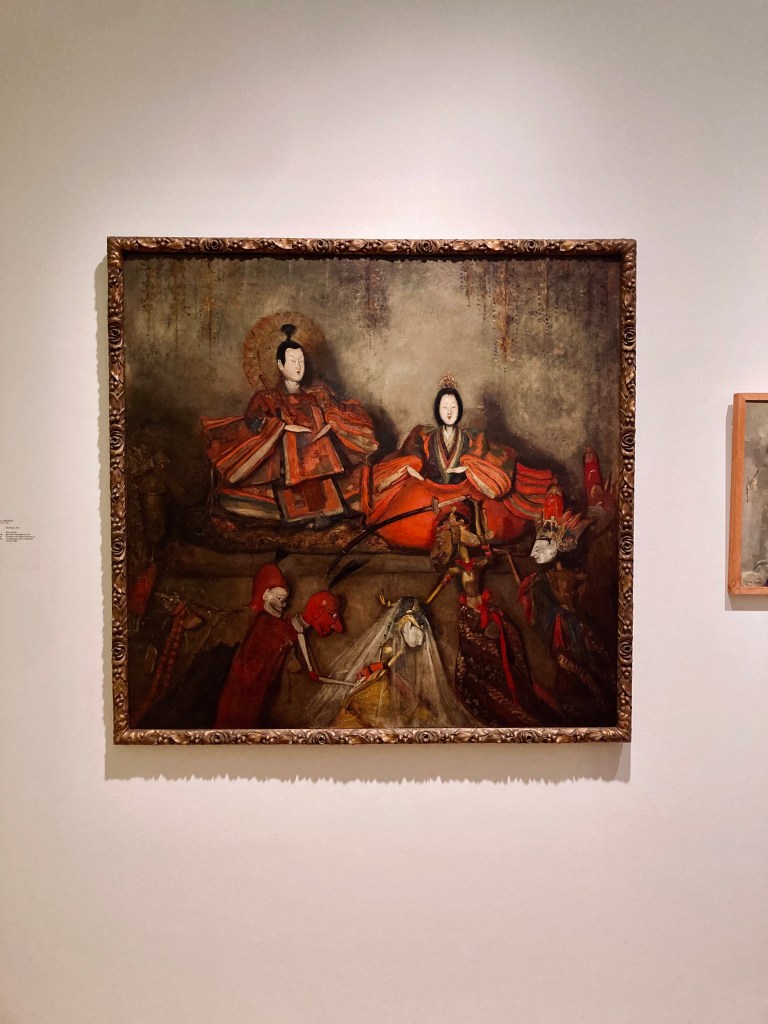
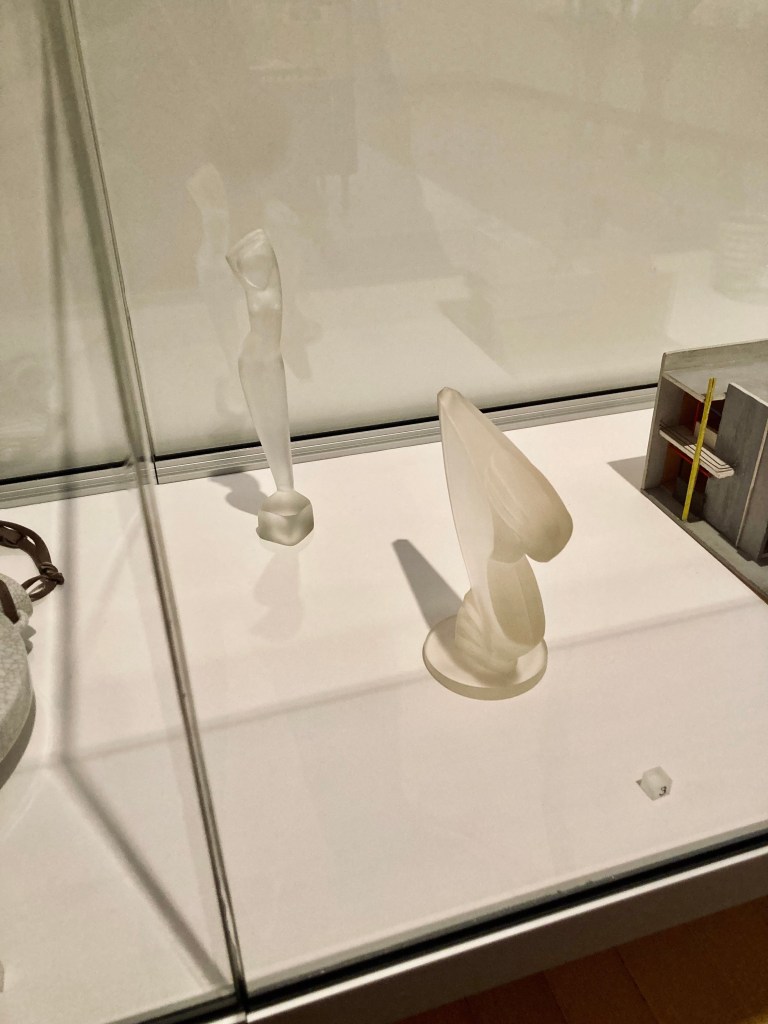
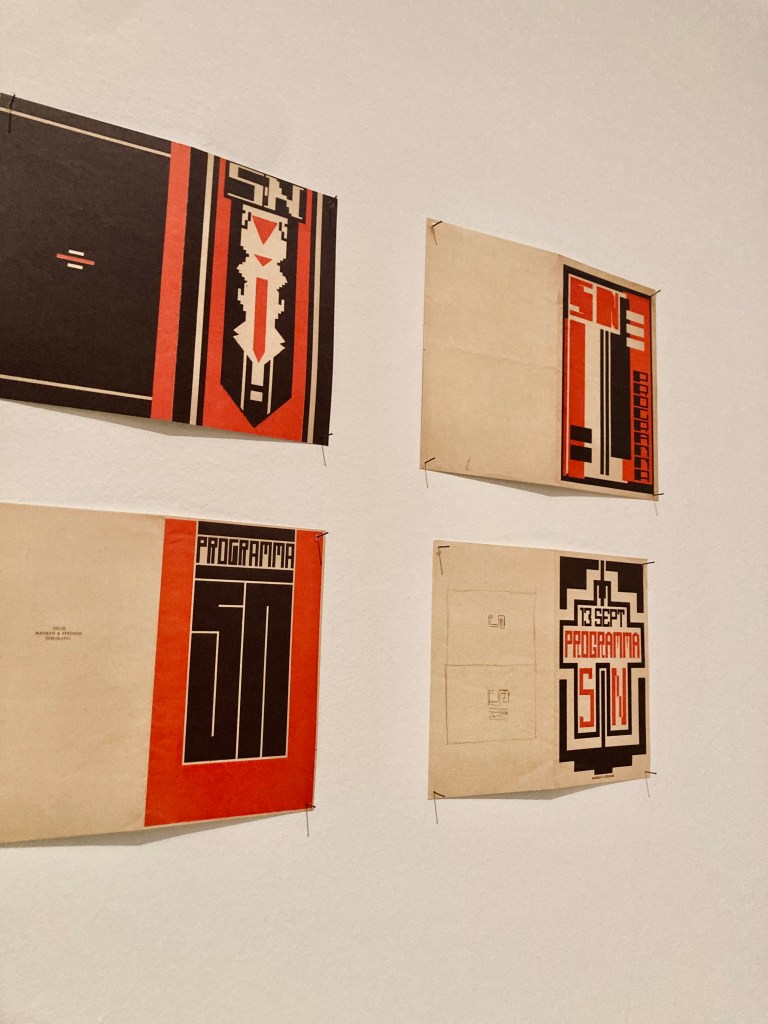
Hier zijn enkele van mijn aantekeningen uit de opdracht:
‘De eerste zaal van deze collectie, zaal 0.27, is toegankelijk via de allereerste foyer. De zaal heeft geen deur of andere visuele barrière en is daardoor van een afstand zichtbaar. Zaal 0.27 bevat geschilderde werken, keramiek, glas en andere driedimensionale objecten. De objecten staan niet op traditionele sokkels, maar op een grijs ‘eiland’. Dit eiland biedt zitplaatsen om de schilderijen op de muur te bekijken.
De renaissancestijl van het ophangen van de werken aan de muur kan in eerste instantie rommelig en ongeorganiseerd aanvoelen. Het grote object in het midden van de ruimte versterkt dit, waardoor de zaal bijna claustrofobisch wordt.
Het is interessant dat de hiërarchie van de ‘traditionele grootmeesters’ in deze opstelling wordt doorbroken. Een Van Gogh hangt bijvoorbeeld tussen andere ‘onbekende’ werken, wat een nieuwe kijkervaring uitnodigt.
0.27 biedt ook een introductie tot de collectie en noemt het een ‘chronologisch thematische opstelling’. Het benadrukt het belang van de collectieopbouw voor de vorming van het museum en plaatst de acquisitiepraktijken in een gendercontext.
De tweede zaal, 0.26, richt zich op meubels en andere gebruiksvoorwerpen en bevat enkele papierobjecten. De meubels worden tentoongesteld op een stalen frame, wat zorgt voor een intense industriële uitstraling. Sommige meubels zijn gegroepeerd om een ‘context’ te creëren, alsof ze samen gebruikt werden. Het frame is gelaagd, waardoor we de meubels niet van dichtbij kunnen bekijken, maar alleen de onderkant van de bovenste stukken zien. De muur is beplakt met een roze en rood geometrisch patroon, wat doet denken aan tapijten die mogelijk in de context van het meubilair gebruikt werden.
Zaal 0.25 is gewijd aan Bauhaus en De Stijl. De zaal bevat een collectie schilderijen, foto’s, papieren voorwerpen, meubels en videokunst. De meubels staan weer op een centraal eiland, dit keer in de stijl van Mondriaan, met blokken wit, rood, geel en zwart. Dit voelt kitscherig en voorspelbaar aan. De variatie aan objecten laat de verschillende vormen van Bauhaus en De Stijl zien, maar textielwerken ontbreken grotendeels; er is slechts een klein weefsel te zien, terwijl textiel prominent was binnen De Stijl.
Zaal 0.22 gaat bijvoorbeeld over koloniale lijnen. In het midden staat een platform met verschillende meubels, omringd door hangende textielwerken. De afbeeldingen op de muur weerspiegelen de centrale objecten, wat een samenhangende en reflectieve omgeving creëert. De zaal biedt een ruimte waar geschilderde objecten in een realistische context worden geplaatst.’
Kunst en denken in de Nederlandse Republiek
Na deze excursie liep ik terug naar de campus om te lunchen en mijn volgende college bij te wonen, over ‘Kunst en Denken in de Nederlandse Republiek’.
Dit college was fantastisch. Het wordt gegeven door Hanneke Grootenboer, van wie ik al lang een grote fan ben. Ik kan nog steeds niet geloven dat zij mij lesgeeft! Ik heb haar werk jarenlang gebruikt in mijn essays, en wat nog belangrijker is: ik hou al jaren van haar werk.
Ik moet wel zeggen dat drie uur college veel is. Het vraagt het uiterste van mijn concentratievermogen, maar dat heb ik er graag voor over. Ik probeer mezelf eraan te herinneren hoe hard ik heb gewerkt om in deze opleiding te komen. Ik moet ervan genieten!
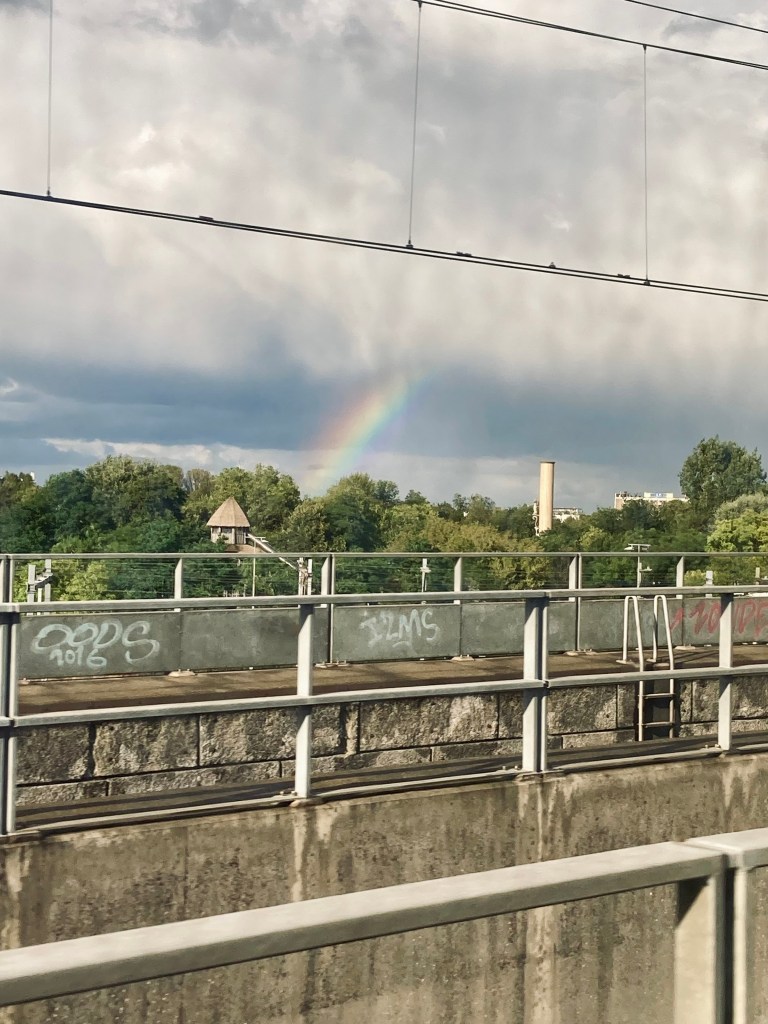
Ik was wel ontzettend blij toen ik in de trein naar huis stapte. Het was een vermoeiende maar waardevolle dag, en ik wilde erover schrijven zodat ik me deze dag kan herinneren.
Hoe zal ik op deze dag terugkijken aan het einde van deze tweejarige master?
Met vriendelijke groet,
Isabelle
As the people who know me will know, I got some exciting news a couple of months ago. I got into my dream master at the UvA. The master is called ‘Curating Arts and Cultures’, and I’m specialising in ‘Arts of the Netherlands’. And I am so excited to get started!
Last Wednesday was the first day of my first two classes. Last Wednesday was also the day NS workers were striking from 04:00 till at least 08:00. I’m living at home for now. I am a cheap Dutch student. Therefore, I am unwilling to sell my soul to get a room in Amsterdam. Living at home also means that I have to commute an hour and a half to two hours to Amsterdam.
My first class started with an excursion to the Stedelijk Museum at 09:50.
That meant there was no way I could get to Amsterdam in time for the excursion if I stayed at home. I decided last-minute to get a bed in a hostel for the night! This all worked out beautifully. I had a voucher on Booking.com, I got an empty room by pure chance, and I got to the excursion in time!
The Stedelijk Museum
We went to the museum to view one of the collections and analyse them critically. I decided to analyse the collection titled ‘until 1950’. The focus of this collection was definitely a little too modern for my liking. But I still really loved some of the objects and artworks I saw.
Here’s some of my notes from the assignment:
‘The first room of this collection, 0.27, is accessible through the very first foyer. The room has no door or other visual obstruction and can therefore be viewed from far away. 0.27 is filled with painted works, ceramics, glass and other three dimensional objects. The objects are not put on traditional pedestals, but are put on top of a grey ‘island’. The island offers seating to view the array of painted artworks on the wall.
The renaissance display style of the wall hung objects can feel cluttered and disorganised at first. The large object in the centre of the room heightens this, as the room becomes almost claustrophobic.
It is very interesting that the hierarchy of ‘the traditional grand master’ is interrupted in this display. A van Gogh is hung in between other ‘unknown’ works. It invites a new type of viewing from the visitor.
0.27 also gives an introduction to the collection and calls it a “chronologically thematic arrangement”. It also specifies the importance of the creation of collections to the formation of the museum. It addresses the acquisition practices and places them in a gendered context.
The second room, 0.26, focuses on furniture and other household objects and has some paper objects. The furniture is exhibited on a steel frame, providing it with an intense industrial feel. Some furniture pieces are clustered together to create a ‘context’. As to how the pieces would have worked together. The frame is multi layered and layers multiple pieces of furniture together. The visual implication of the layering means that we are unable to view the pieces up close. We are able to only see the underside of the upper pieces. It is also interesting to see that the wall has been plastered with a pink and red geometric pattern. The pattern almost reminds us of tapestries which could have been used within the context of the furniture.
0.25 is themed around Bauhaus and the Stijl. The room is filled with a collection of painted pieces, photographs, paper ephemera, furniture and video artwork. The furniture is again elevated on a central island. The island is themed around Mondriaan, as it is constructed out of blocks of white, red, yellow and black. This seems kitsch and expected. The array of items is varied and shows the different forms of Bauhaus and the style. It does miss textile based works, as there is only one small weaving sample, which were prominent in the Stijl.
0.22 is for instance, about colonial lines. The centre of the room has a platform on which different pieces of furniture are set and around which pieces of textile are hung. The images on the wall echo the central objects, creating a cohesive and reflective environment. The room creates a place where the painted objects are embedded in reality.’
Art and Thought in the Dutch Republic
After this class excursion I walked back to the campus to have lunch and go to my next class, about ‘Art and Thought in the Dutch Republic’.
This class was amazing. It is given by Hanneke Grootenboer, who I am a huge fan of. I still cannot believe I am getting taught by her! I have used her work in my essays for years, and more importantly, I have loved her work for years!
I do have to say that a three hour class is a lot. It is asking the most of my attention span, but I am fine with that. I try to remind myself that I have worked so hard to get into this course. I should enjoy this!
I was so happy to get into the train back home, though! A tiring but rewarding day, which I wanted to make a post about so I can actually remember it.
How will I look back on this day at the end of this two-year Master?
Kind regards,
Isabelle
 Studio Vogel
Leave a comment