English below
Eindelijk, na vijf jaar weer terug in mijn favoriete museum op aarde: Boijmans.
Maar in een héél andere vorm dan dat ik gewend ben. Geen glooiende gladde lambrisering of Rothko’s aan schone witte muren. Nee, Boijmans bestaat nu uit rafelige betonnen randjes en uitgeprinte tekst bordjes op A4tjes, getapet aan een vieze witte muur.
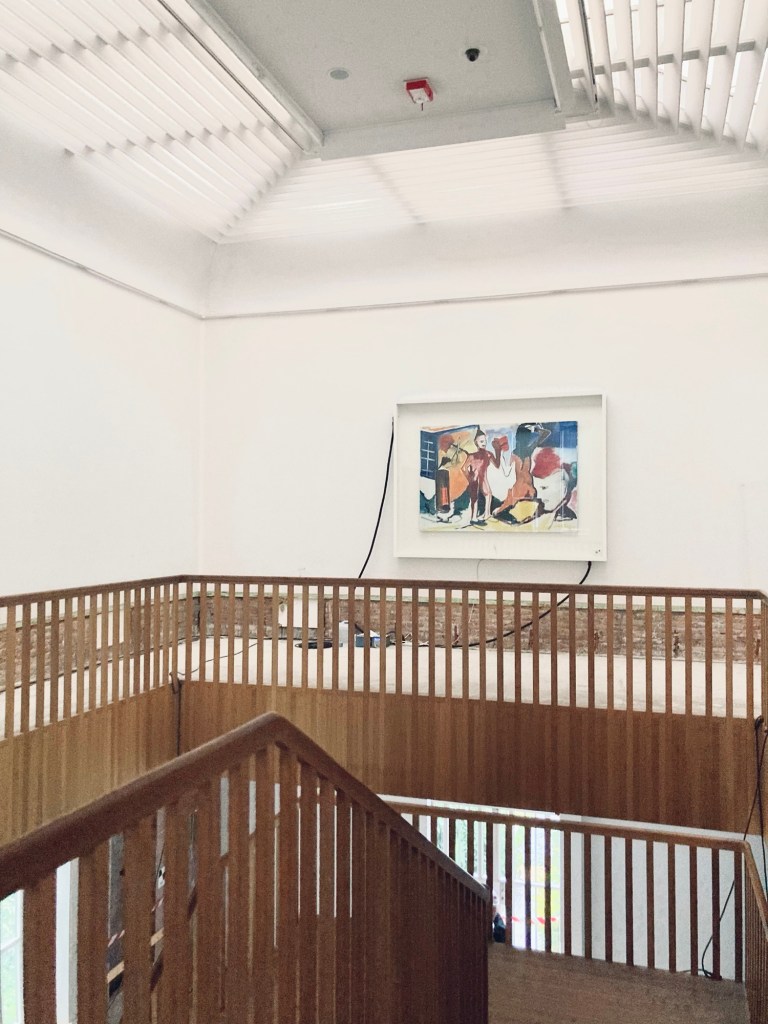
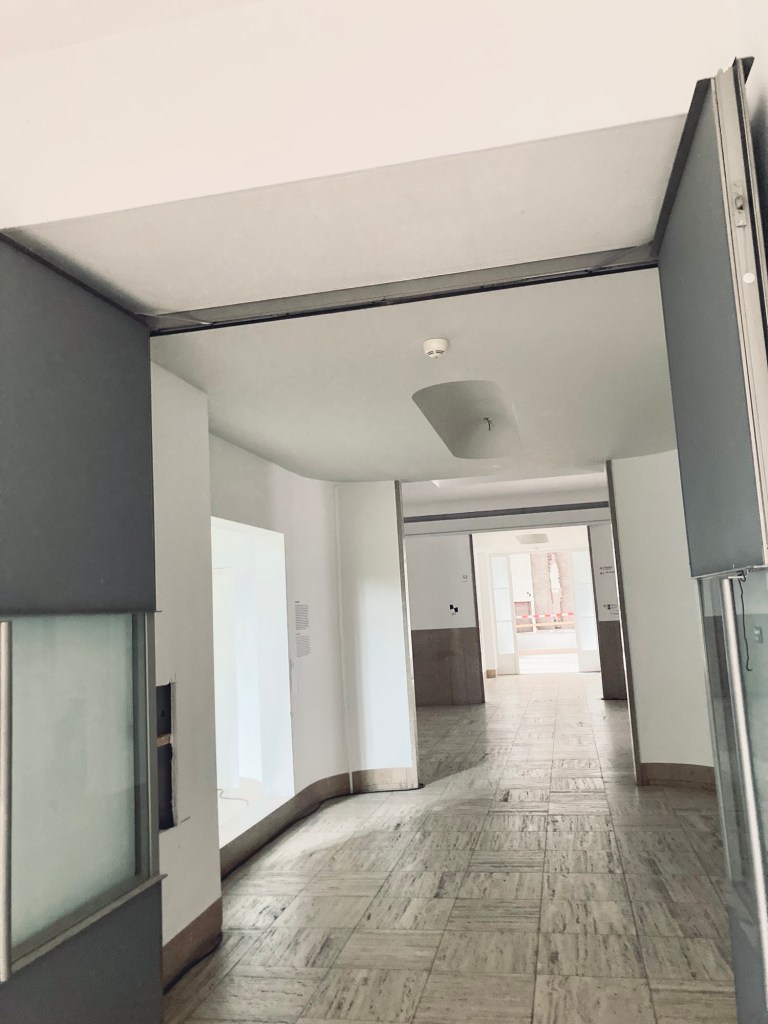
Maar nog altijd zie je de zo elegante kant van het warme gebouw, dus zelfs door de niet ideale situatie van de renovatie. Bijvoorbeeld, het simpele design van een van de trappen behoudt zijn kwaliteit, zelfs al bevindt hij zich in een bouwput.
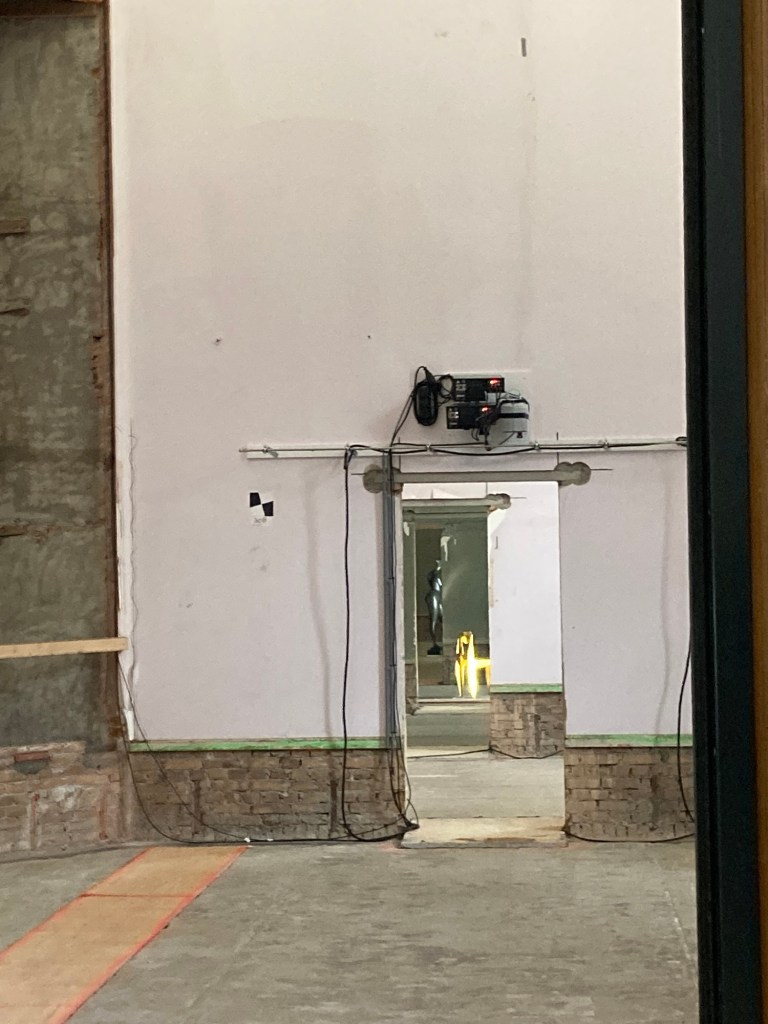
Boijmans laat door deze tijdelijke tentoonstelling ook zien dat kunst echt overal een plaats heeft. De kunst en de kijker komen in contact in contrasterende omstandigheden, waardoor het kunstwerk op een nieuwe manier kan spreken.
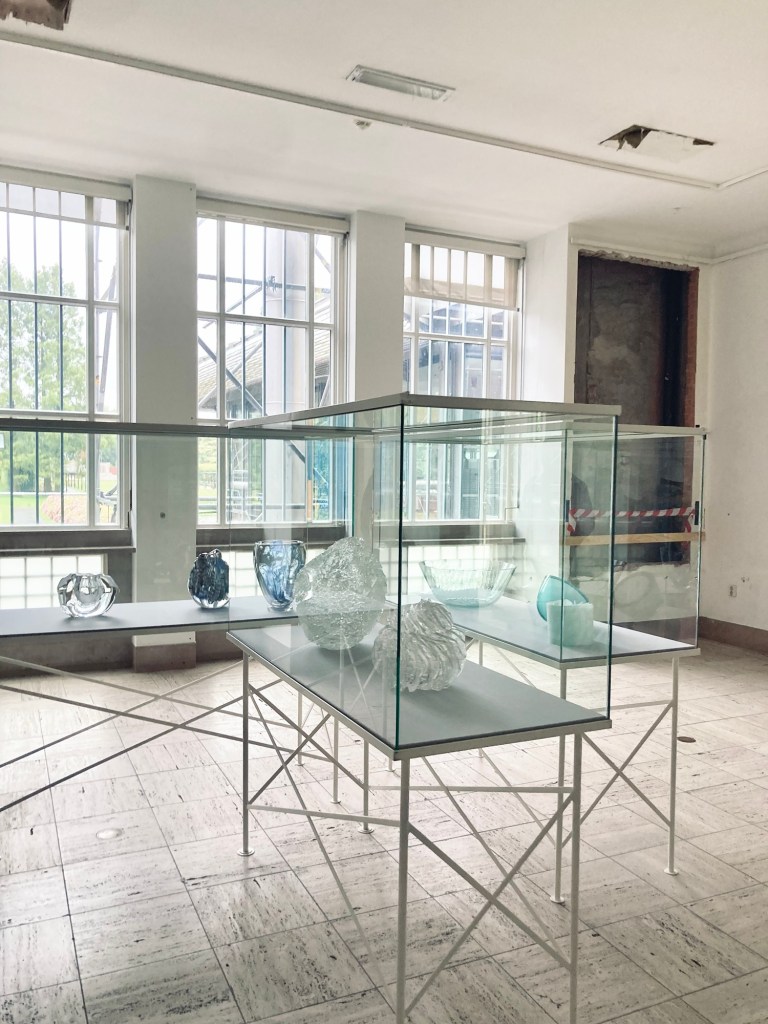
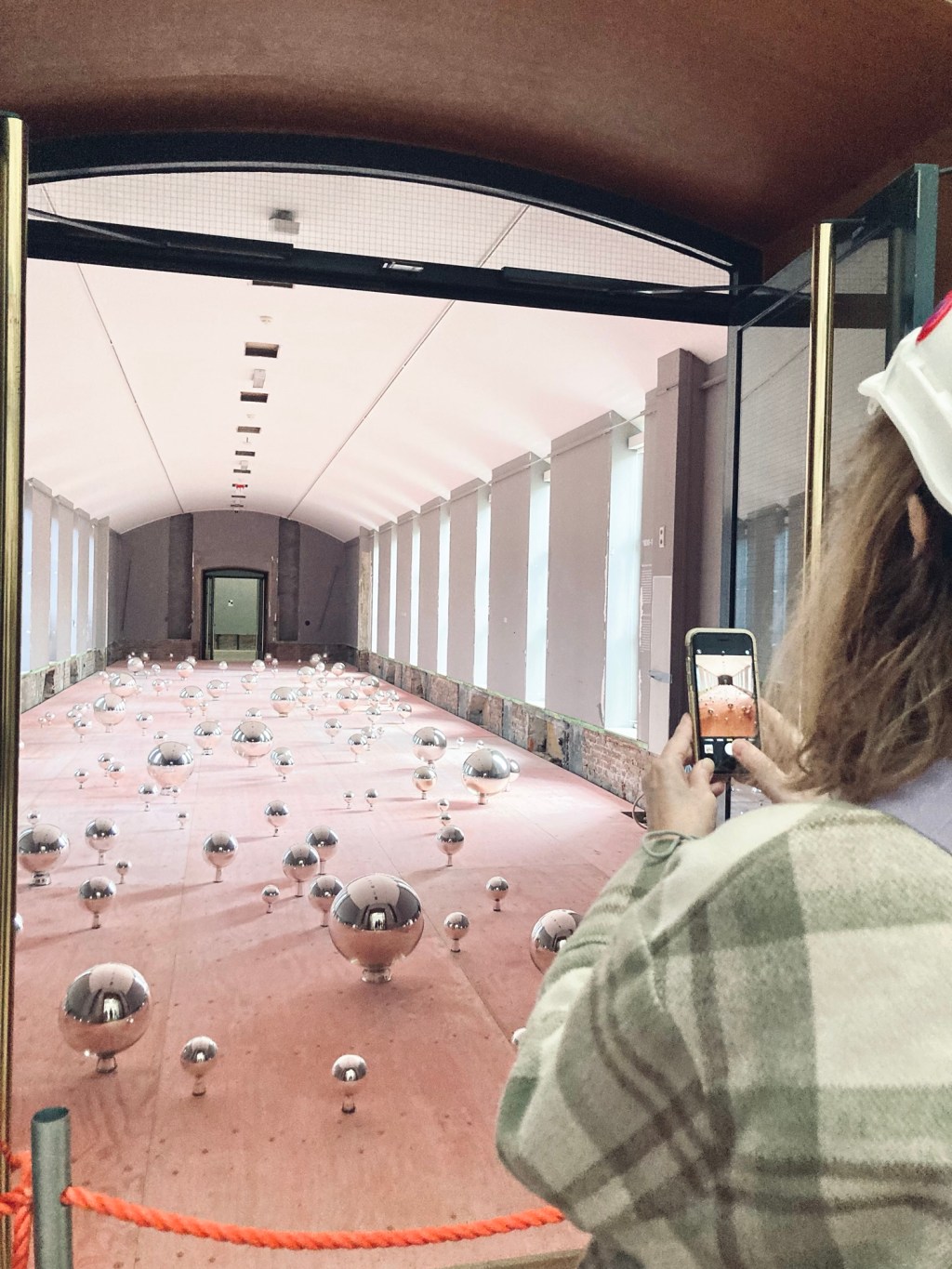
De kunstwerken in de tentoonstelling bevinden zich bijvoorbeeld echt in de ruimtes. Er is geen sprake van de bekende ‘white box’. Deze ruimtes zijn niet meer neutraal, maar hebben een sociale achtergrond die door de situatie continu duidelijk is. De bouwplaats herinnert mij bijvoorbeeld aan de moeizame vorderingen van de renovatie van Boijmans. De kunstwerken vormen zich dus naar de ruimte waardoor ze deel van een complete ervaring worden.
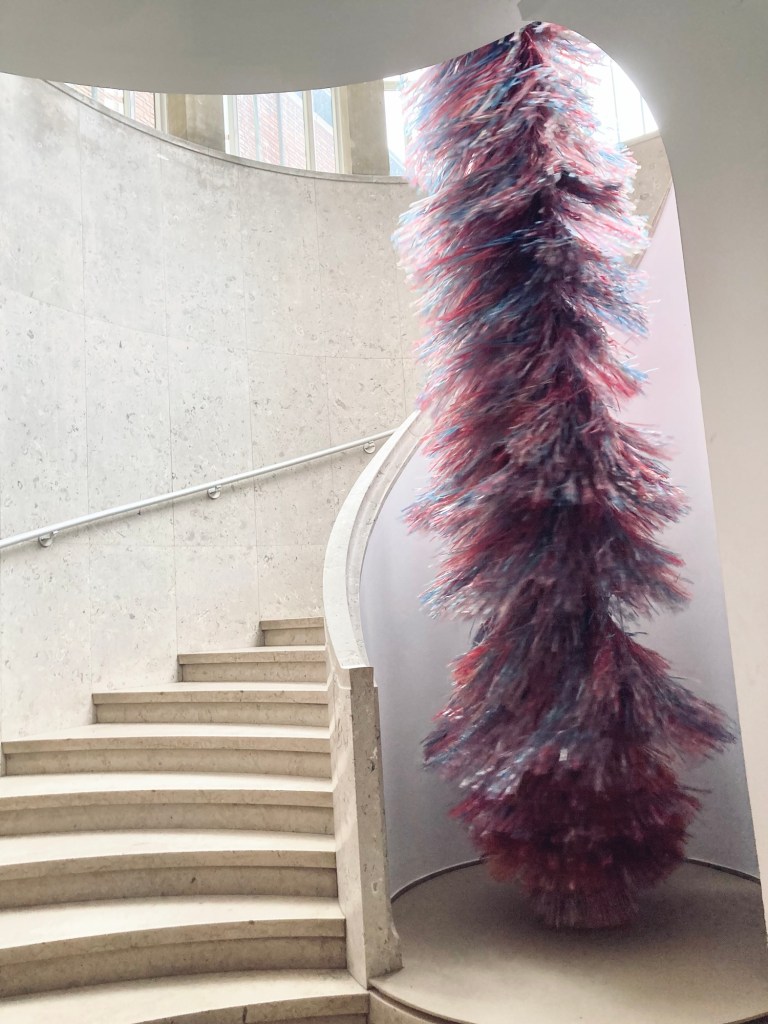
Dit is bijvoorbeeld bijzonder duidelijk in het gebruik van kinetische en tactiele kunstwerken. De bewegende kunst creëert visuele interesse door de beweging maar ook door het geluid wat de mechaniek maakt. Binnen de ruimtes van Boijmans bewegen deze kunstwerken niet alleen, maar werken ze samen met de harde ruimtes.
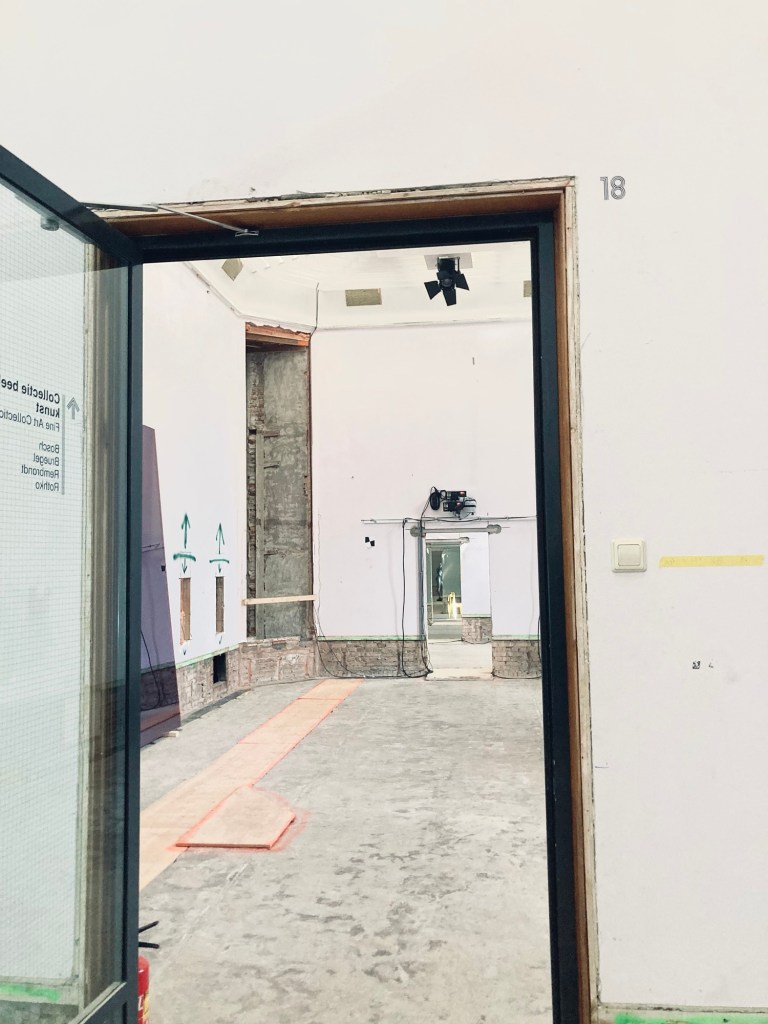
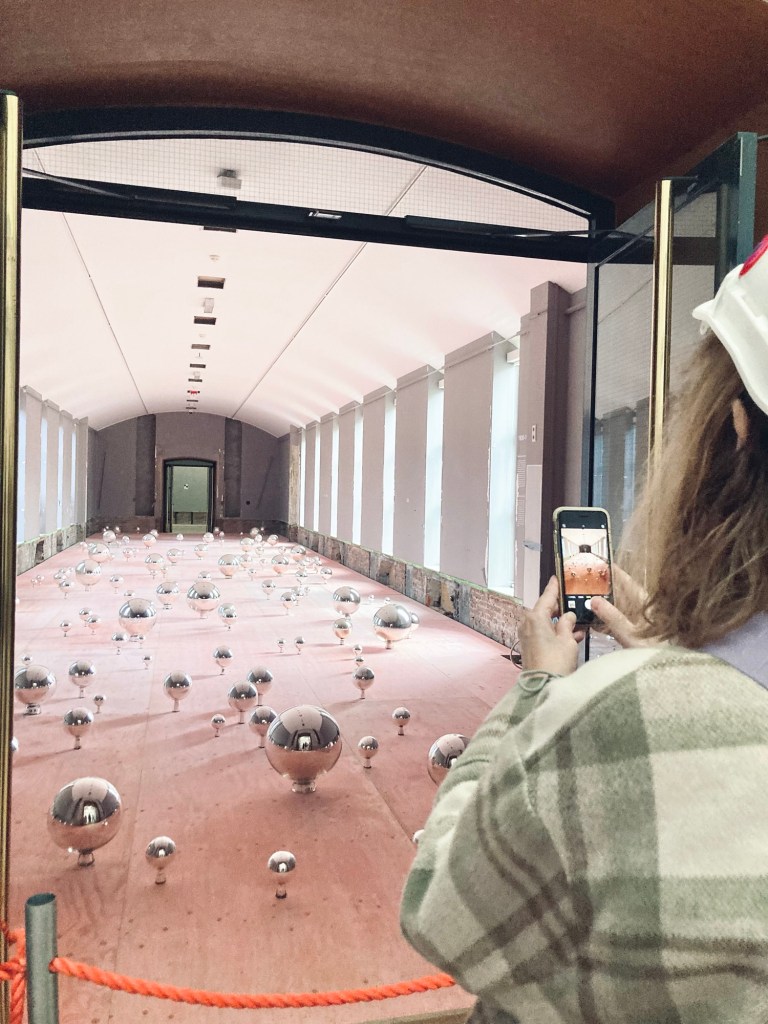
Toch denk ik dat de tentoonstelling vooral drijft op de nostalgie van de bezoeker. Tekst op de muren wijst nog altijd de weg naar Rothko, waar deze al lang niet meer hangt. Mijn moeder en ik waren bijna continu in gesprek over de oude tentoonstellingen en waar die zich in het gebouw hadden bevonden. Door de renovatie is het moeilijk jezelf correct te plaatsen in het gebouw, wat ook weer zorgt voor een vervreemdend effect.
Het gebouw van Boijmans is niet meer de warme knuffel die we ons allemaal herinneren. Boijmans is nu gevaarlijk en onvriendelijk. Alle bezoekers dragen een helm, want het is geen museum gebouw maar een actieve bouwplaats.
Finally, after five years, I’m back in my favorite museum in the world: Boijmans.
But in a very different form from what I’m used to. No smooth paneling or Rothkos on pristine white walls. No, Boijmans now consists of rough concrete edges and printed A4 text signs taped to dirty white walls.
Yet, the building’s elegant and welcoming character still shines through, even in the less-than-ideal circumstances of its renovation. For example, the simple design of one of the staircases retains its charm, even as it sits in the middle of a construction site.
Through this temporary exhibition, Boijmans also demonstrates that art truly belongs everywhere. Art and the viewer interact in contrasting environments, allowing the artworks to communicate in a new way.
The works in the exhibition are fully integrated into the spaces themselves. This is not the familiar ‘white cube’ setting. These spaces are no longer neutral but carry a social context that is continuously clear through their condition. The construction site, for example, reminds me of the slow progress of Boijmans’ renovation. The artworks adapt to the space, becoming part of a whole experience.
This is particularly evident in the use of kinetic and tactile artworks. The moving pieces create visual interest through their motion but also through the sounds of their mechanics. In Boijmans’ raw spaces, these artworks do more than just move! They interact with the harsh surroundings.
Still, I think the exhibition relies too heavily on the nostalgia of its visitors. Some text on the walls still points toward Rothko, even though he’s long gone. My mother and I found ourselves constantly talking about past exhibitions and where they had been in the building. Due to the renovation, it’s difficult to orient yourself within the space, which adds an alienating effect.
The Boijmans building is no longer the warm embrace we all remember. Boijmans is now dangerous and uninviting. All visitors wear helmets because it is no longer a museum building but an active construction site.
Adriaen Hanneman Antiques archival research art blog blogs crochet decorative arts Dutch Golden Age Dutch Republic early modern economy early modern jewellery Essay first day france goldsmithing history history of art identiteit internship inventory analysis jewellery jewellery history Johan de Witt knitting Londen London material culture Museums nederlands object-based research painting PAN Amsterdam probate inventories quilting seventeenth-century jewellery sewing spinning stedelijk museum travel university V&A Victoria and Albert museum waardeboek Wendela Bicker
 Studio Vogel
Leave a comment